
History of
Venetian Plaster
About Venetian Plaster
Venetian plaster traces its origins back to ancient Rome, where artisans first discovered that combining lime, marble dust, and natural pigments created finishes that were both durable and beautiful. During the Renaissance, Venetian craftsmen refined these techniques, developing the polished, marble-like surfaces that became synonymous with the grand palazzos of Venice. As an artist working with these traditional materials today, I draw from this centuries-old legacy—layering, burnishing, and sculpting each surface by hand to echo the depth and luminosity of historic Italian interiors. Every piece becomes a conversation between past and present, honoring the craft’s rich history while bringing its timeless elegance into modern spaces.
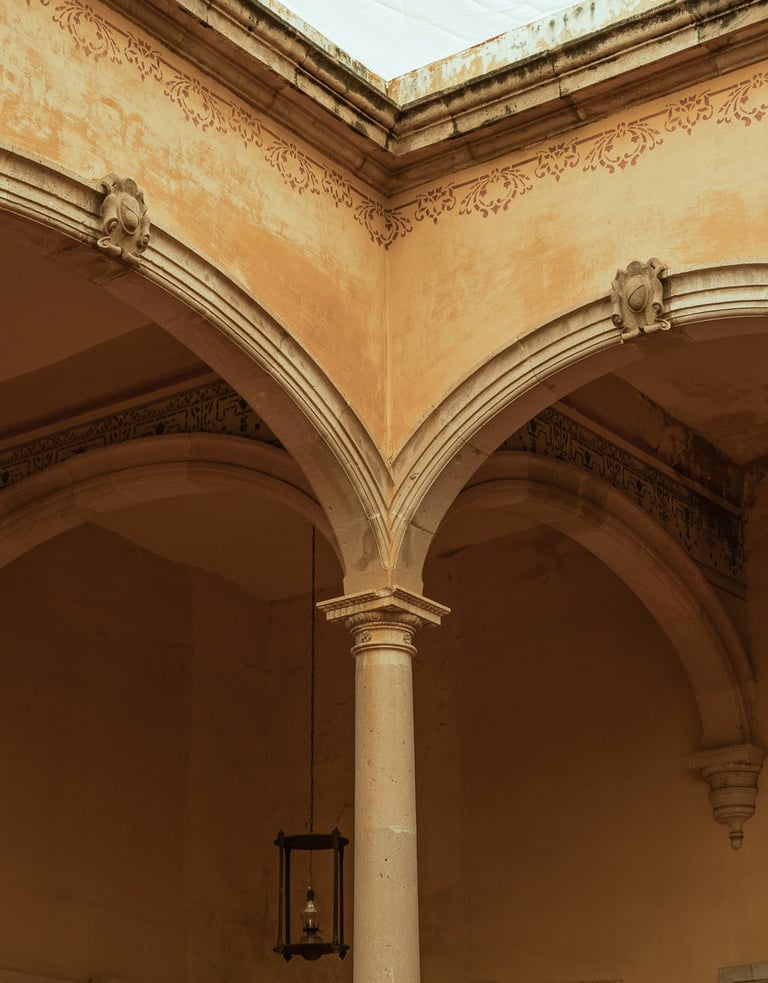

The History of Venetian Plaster
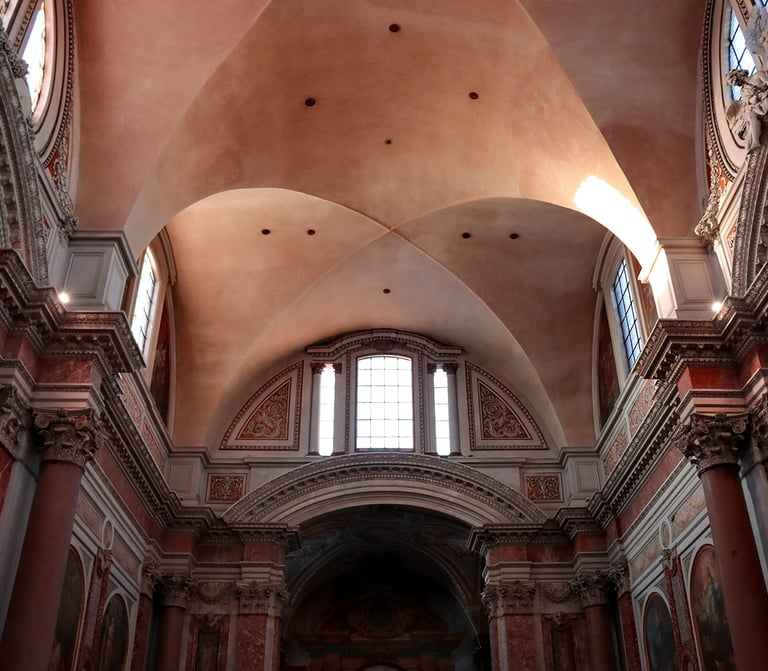
The origins of Venetian Plaster lie hundreds of years ago, relatively hidden in the past with some sources claiming that its ancient predecessor was developed 9000 years ago in Mesopotamia - now Syria, Iraq and Iran. Certainly, a form of plastering was in use there, crude and rough though it was.
Other countries and other ages used similar and more and more developed plastering techniques: tombs in Egypt were covered with a lime and gypsum plaster; entire cities in India were plastered.
From the Middle East to India, from Egypt to China, to Greece and
to the Roman Empire, plaster of some kind was used almost everywhere in the ancient world. It was made popular in the Italian Renaissance 14th century and lasted until the 16th century.
Artists and architects embraced it as both an old and new technique. It became a highly desired finish for ceilings and walls, both for interiors and exteriors. Today Venetian plaster can be found all over the world. Even Las Vegas is using this technique.

